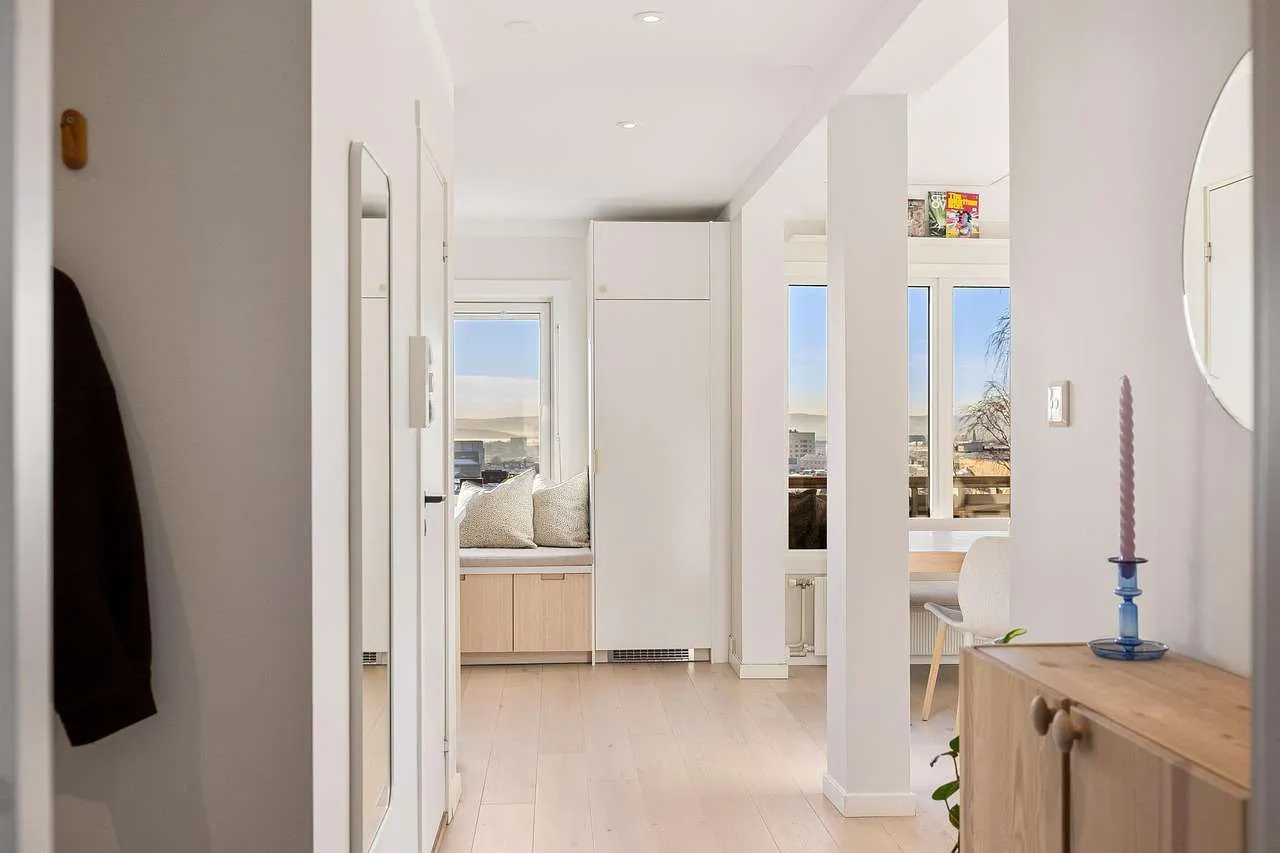
Window tinting for homes is a practical upgrade that reduces heat, blocks UV rays, and adds privacy. If you search for home window tinting near me, you are looking for local professionals who can assess your home's glazing, orientation, and climate.
What is home window tinting?
Residential window tinting involves applying a thin film to interior or exterior glass surfaces. The film can reflect solar energy, absorb infrared heat, and minimize glare while preserving visible light. Reputable installers use films from major manufacturers and adhere to safety and warranty standards.
Why homeowners search for near me
Local tinting pros offer on site estimates, quick scheduling, and the ability to evaluate window frames, coatings, and heat load. Choosing a nearby provider helps with warranty service and in person consultation.
Benefits of home window tinting
- Lower energy bills by reducing cooling loads
- Improved comfort with fewer hot spots
- UV protection keeps furniture from fading
- Enhanced privacy without sacrificing daylight
- Better glare control for screens and dashboards
Types of window films
Dyed window film
Pros: Inexpensive, good appearance. Cons: Can fade in heat, not ideal for heat rejection alone.
Metalized window film
Pros: Strong heat rejection, some strength for shatter resistance. Cons: Can interfere with electronics; may show metallic appearance.
Ceramic window film
Pros: Excellent heat rejection, virtually no signal interference, clear appearance. Cons: Higher cost but best overall performance.
Hybrid window film
Pros: Balanced price and performance, reduces glare, decent heat control. Cons: Not as strong as ceramic in extreme sun.
Choosing a provider near you
Look for licensed installers, manufacturer certifications from brands such as 3M or Llumar, and documented warranties. Read reviews, ask for before and after photos, and request a written quote that includes film type, thickness, and edge sealants.
- In person assessment to measure window area and sun exposure
- Clear warranty terms including lifetime anti fade and film void if homeowners modify
- Certified installers with proper safety practices and insurance
Installation process and timeline
Most residential tinting requires a few hours per home with curing time for adhesives. A professional will prepare the glass, clean molds, apply the film, trim edges, and perform a final inspection. Expect a short disruption, but results are immediate and long lasting.
Costs and maintenance
Costs vary by film type, window size, and labor. Typical residential tint projects range from a few hundred to a couple thousand dollars, with ceramic films at the higher end. Maintenance is simple: clean with non ammonia glass cleaners and a soft microfiber cloth.
Comparison of common films
| Film type | Key benefits | Drawbacks | Ideal use | Typical cost |
|---|---|---|---|---|
| Dyed | Affordability, improved appearance | Prone to fading and limited heat control | Budget upgrades | 1.50 to 3.50 per sq ft |
| Metalized | Good heat rejection, added strength | Possible electronics interference, metallic look | Heat control with visible light | 2.00 to 5.00 |
| Ceramic | Excellent heat rejection, clear finish, no signal interference | Higher cost | Best overall performance | 5.00 to 12.00 |
| Hybrid | Balanced price and performance | Not as strong as ceramic | Mid range options | 3.00 to 7.00 |
Maintenance tips: avoid ammonia based cleaners, damp microfiber cloths, and periodic inspections for edge sealants. Have the film inspected during regular home maintenance to ensure the edges remain adhered and free of bubbles.
Conclusion, choosing a trusted home window tinting near me provider requires comparing film types, checking licenses and warranties, and reading customer reviews. By focusing on EEAT factors such as licensed installers, manufacturer certifications, and transparent warranties, you can select a local professional who delivers durable results and long term value.
