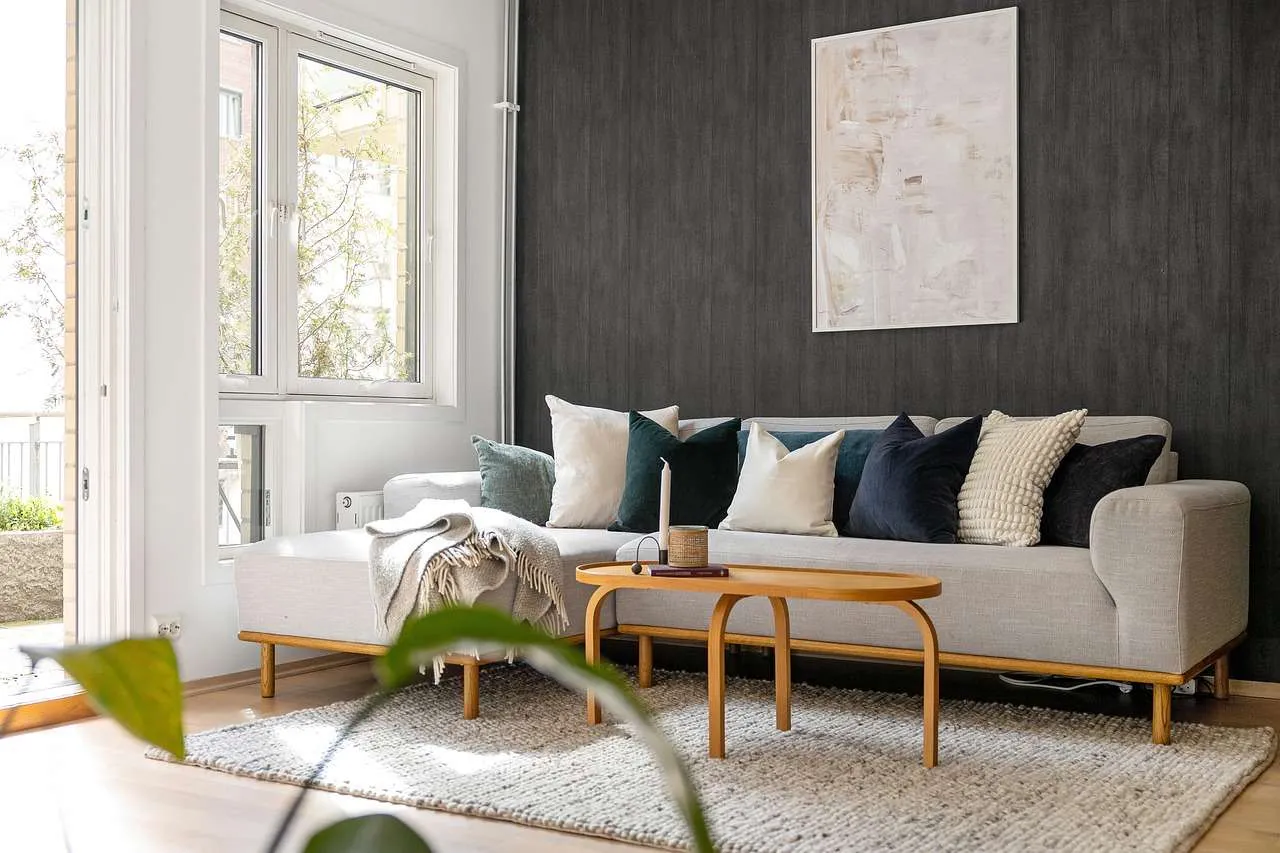
What is home window tinting
Home window tinting means applying a thin, optically clear film to the interior or exterior of residential glass. Modern films are engineered to reduce heat, block UV rays, minimize glare, and increase privacy without sacrificing daylight and view. With the right film and professional installation, you can improve comfort, protect interiors from fading, and lower energy costs across seasons.
Why consider home window tinting
- Energy efficiency: Films reduce heat gain in summer and retain warmth in winter, easing HVAC loads.
- UV protection: High quality films block up to 99% of harmful ultraviolet rays, protecting furniture and flooring.
- Glare control: Reducing glare improves TV and computer readability and overall comfort.
- Privacy and aesthetics: Tint adds daytime privacy while maintaining natural light and a clean exterior look.
- Safety and security: Some films add shatter resistance, helping to hold glass together after impact.
Types of window films for homes
Choosing the right film depends on climate, budget, and goals. Here are the most common options:
Dyed window film
Dyed films are among the most affordable and provide noticeable color and shade. They are good for privacy and glare reduction but may fade over time and offer moderate durability.
Metalized window film
Metalized films incorporate reflective layers that excel at heat rejection and glare control. They can interfere with electronics if not properly specified, and may show wear over years but generally offer strong performance for energy savings.
Ceramic window film
Ceramic films are high performers without metals, delivering excellent UV rejection, superior heat control, and minimal signal interference. They are more expensive but tend to last longer and maintain clarity over time.
Carbon window film
Carbon films balance performance and appearance, delivering strong heat rejection and UV protection with a neutral color that stays consistent. They are durable and less prone to fading, often at a mid to high price point.
Security and safety films
Security films are thicker and designed to hold glass fragments together during impact. They enhance safety in high-traffic areas, with a higher cost but lasting protection for families and valuables.
How to choose an installer and ensure quality
Quality installation matters as much as the film itself. Look for a licensed, insured professional with demonstrable experience in residential projects. Ask for before-and-after photos, references, and a written warranty that covers both the film and installation. Verify local regulations about window tint darkness if applicable, and request a shade level specification suitable for front-facing windows. A reputable installer will assess your glass type, climate, and daylight needs to recommend the best film.
Cost range and maintenance tips
Costs vary by film type, glass size, and labor. Dyed films are typically the most affordable, while ceramic and carbon films sit higher on the price spectrum. On average, homeowners may expect to pay per square foot in the low to mid range for mid-grade films, with higher-end options at a premium. Maintenance is straightforward: clean with a mild soap solution and a soft cloth, avoid ammonia-based cleaners on certain films, and inspect edges for bubbling or peeling after several years. Professional resealing or reinstallation is recommended if damage occurs or if performance declines over time.
Window film comparison at a glance
| Type | UV Rejection | Heat Rejection | Glare Reduction | Durability | Typical Cost |
|---|---|---|---|---|---|
| Dyed window film | Moderate | Moderate | Moderate | Low to Moderate | Low |
| Metalized window film | Good | Good | High | Moderate | Medium |
| Ceramic window film | Excellent | Excellent | High | High | High |
| Carbon window film | Excellent | Excellent | High | High | Medium to High |
| Security/shatter film | Moderate | Moderate | Low to Moderate | Very High | High |
Maintenance and best practices
To maximize performance, clean window films with a soft cloth and a mild soap solution. Avoid abrasive cleaners or solvents that can deteriorate the film. Schedule periodic inspections with your installer to ensure edges remain sealed and to address any bubbling or peeling early. Keeping windows clean also helps preserve visual clarity, which supports a bright, comfortable living space.
EEAT considerations: the guidance above reflects input from licensed professionals and current best practices in residential energy efficiency and safety. For best results, rely on experienced installers who can tailor film selection to your home, climate, and budget.
Conclusion, by understanding film options, expected benefits, and professional installation practices, homeowners can achieve meaningful improvements in comfort, protection from fading, and energy savings with home window tinting. Carefully compare film types, verify warranties, and maintain the film to maximize performance and longevity.
